BEGIN:VCALENDAR
VERSION:2.0
CALSCALE:GREGORIAN
METHOD:PUBLISH
PRODID://CWEA//126675
BEGIN:VEVENT
DTSTAMP:20260414T122553
VTIMEZONE:America/New_York
DTSTART:20211216T170000Z
DTEND:20211216T180000Z
UID:126675
SUMMARY:Residuals and Biosolids CWEA Monthly Webinar - Master Plan
LOCATION:
DESCRIPTION:Residuals and Biosolids CWEA Monthly Webinar - Master Plan\n\n12/16/21 12:00 PM EST\n - 12/16/21 01:00 PM EST\Description:\nBiosolids Master Plans “Not All Biosolids Master Plans are Created Equal”\n\nPresentation #1 “It’s a Small World After All –Biosolids Master Planning for Small Water Reclamation Facilities” by Al Razik, Senior Engineer \nMES selected two Class A Treatment alternatives for further consideration – Autothermal Thermophilic Aerobic Digestion (ATAD) and pyrolysis/production of biochar. I will highlight the case of installing a pyrolysis unit at our Dorsey Run Advanced Wastewater Treatment Plant (AWWTP).\n\n\nPresentation #2 “How to avoid putting all your eggs in one basket: Lessons from Baltimore City’s Biosolids Master Plan” by Sebastian Smoot, P.E., Water/Wastewater Engineer, HDR sebastian.smoot@hdrinc.com\n\nThe presentation will present pros, cons, and costs of the distributed and centralized biosolids alternatives considered for Baltimore. Attendees will gain an understanding of how to weigh cost-savings with risks and other non-economic factors associated with distributed versus centralized biosolids stabilization and management.\n\n\nPresentation #3 "Developing WSSC Water’s Biosolids & Residuals Master Plan – One Phase at a Time" by MALCOLM TAYLOR, PhD, P.E. Principal Environmental Engineer Engineering & Environmental Services, Malcolm.taylor@wsscwater.com\n \nAs WSSC Water prepares to transition from production of Class B to an exceptional quality Class A biosolids product the commission has embarked on a comprehensive master planning process to ensure that WSSC Water can adjust to changing conditions / markets and manage biosolids & water treatment residuals (WTR) in a sustainable and economically viable manner. The master plan is being developed in Phases to allow for intermediate review and revision with the goal of identifying preferred alternatives and narrowing focus for more detailed evaluation in future phases. An overview of the goals and objectives of the plan and a discussion of the advantages of a phased approach are discussed. versus centralized biosolids stabilization and management.\n\n
X-ALT-DESC;FMTTYPE=text/html:Residuals and Biosolids CWEA Monthly Webinar - Master Plan
12/16/21 12:00 PM EST - 12/16/21 01:00 PM EST
Description:
Biosolids Master Plans “Not All Biosolids Master Plans are Created Equal”
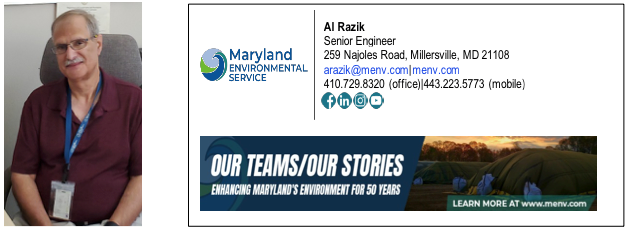
Presentation #1 “It’s a Small World After All –Biosolids Master Planning for Small Water Reclamation Facilities” by Al Razik, Senior Engineer
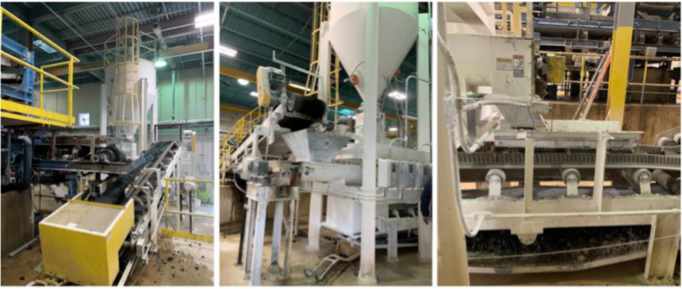
MES selected two Class A Treatment alternatives for further consideration – Autothermal Thermophilic Aerobic Digestion (ATAD) and pyrolysis/production of biochar. I will highlight the case of installing a pyrolysis unit at our Dorsey Run Advanced Wastewater Treatment Plant (AWWTP).
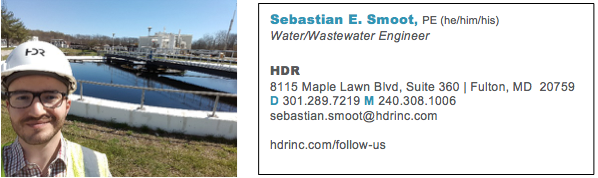
Presentation #2 “How to avoid putting all your eggs in one basket: Lessons from Baltimore City’s Biosolids Master Plan” by Sebastian Smoot, P.E., Water/Wastewater Engineer, HDR sebastian.smoot@hdrinc.com
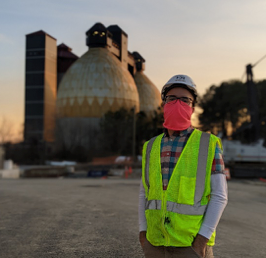
The presentation will present pros, cons, and costs of the distributed and centralized biosolids alternatives considered for Baltimore. Attendees will gain an understanding of how to weigh cost-savings with risks and other non-economic factors associated with distributed versus centralized biosolids stabilization and management.
Presentation #3 "Developing WSSC Water’s Biosolids & Residuals Master Plan – One Phase at a Time" by MALCOLM TAYLOR, PhD, P.E. Principal Environmental Engineer Engineering & Environmental Services, Malcolm.taylor@wsscwater.com
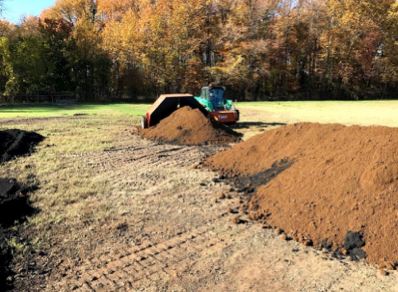
As WSSC Water prepares to transition from production of Class B to an exceptional quality Class A biosolids product the commission has embarked on a comprehensive master planning process to ensure that WSSC Water can adjust to changing conditions / markets and manage biosolids & water treatment residuals (WTR) in a sustainable and economically viable manner. The master plan is being developed in Phases to allow for intermediate review and revision with the goal of identifying preferred alternatives and narrowing focus for more detailed evaluation in future phases. An overview of the goals and objectives of the plan and a discussion of the advantages of a phased approach are discussed. versus centralized biosolids stabilization and management.
PRIORITY:3
TRANSP:TRANSPARENT
BEGIN:VALARM
TRIGGER:-PT5M
ACTION:DISPLAY
DESCRIPTION:Reminder
END:VALARM
END:VEVENT
END:VCALENDAR